/cdn.vox-cdn.com/uploads/chorus_image/image/70269281/112379621.0.jpg)
Peter Molyneux is a name that once conjured reverence in gaming circles. The visionary behind Populous, Black & White, and Fable was celebrated as a pioneer—a man who could turn god games into cultural phenomena. But beneath the accolades lies a legacy fractured by broken promises, exaggerated demos, and projects that failed to deliver. And while Molyneux walked away with a reputation intact, others didn’t fare so well.
Behind every overhyped Kickstarter or vaporware title, real people lost time, money, and trust. From disillusioned backers to laid-off developers, the fallout from Molyneux’s failed ventures reveals a darker side of gaming’s golden boy. This is the story of the players who lost big—financially, professionally, and emotionally—on promises that never materialized.
The Godus Debacle: When a God Game Lost Its Faith
Few projects encapsulate Molyneux’s fall from grace more than Godus. Launched in 2012 via Kickstarter, the god simulation game raised over £526,000 ($870,000 at the time), promising a revolutionary blend of touch-based interaction, blockchain-inspired mechanics (before blockchain was mainstream), and god-like control over evolving civilizations.
Backers were sold on a vision: shape terrain with your fingers, guide tribes through evolution, and compete with other gods in a persistent world. Stretch goals promised multiplayer, mod support, and VR integration.
Reality? The released product was a stripped-down, barely interactive pixel art sandbox with no discernible gameplay. The final version, delivered years late in 2014, looked more like a mobile app prototype than a next-gen god sim. Players who pledged $100 or more received a glorified tech demo.
Who Lost Money?
- Kickstarter Backers: Over 14,000 individuals funded Godus, many at high tiers. $100 pledges were common, with some backers dropping $500 or more for exclusive digital assets or design input.
- 22cans Staff: Molyneux’s studio, 22cans, burned through investor capital while iterating on Godus for years. Employees worked under the promise of a groundbreaking release—only to see public ridicule upon launch.
- Early Investors: Private investors who believed in Molyneux’s pitch lost capital as 22cans failed to monetize Godus effectively. The studio pivoted repeatedly, signaling instability.
One backer, a developer from Manchester, pledged $250 for a “co-designer” role. “I got a PDF of early concept art and a generic email,” he said. “No input, no updates, no game worth playing.”
Curiosity: What’s Inside the Cube? The Answer Was a Scam
Before Godus, there was Curiosity – What’s Inside the Cube?—a viral mobile experiment released in 2012. The premise: thousands of players tap away at layers of a digital cube, with the final tapper promised a “life-changing” secret.
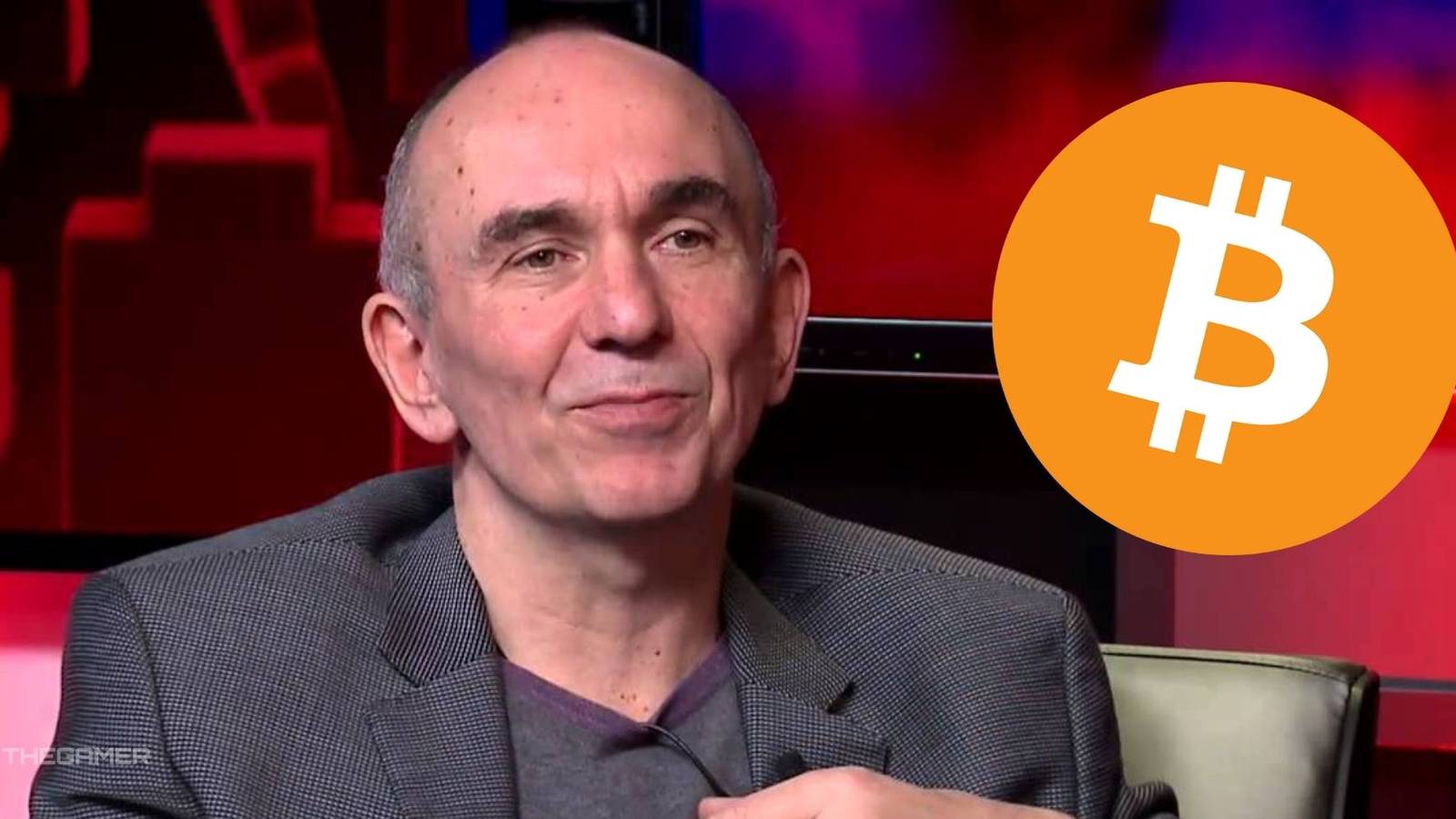
Molyneux promoted it as a social experiment. In reality, it was a data-gathering trap. The final layer was unlocked by a 17-year-old from Wales, who received a message no one else could see: a pitch to play Godus.
No prize. No revelation. Just a funnel to the next overhyped product.
The Hidden Cost of Curiosity
While Curiosity didn’t charge users directly, it exploited their time and attention. But financially, the damage was indirect:
- App Store Revenue Misdirection: The game was free, but its companion app, The Journey, cost $0.99. Many users bought it thinking it enhanced Curiosity. It didn’t.
- Brand Damage to 22cans: The backlash over the hoax eroded trust before Godus even launched. Investors grew wary.
- Exploitation of User Data: Player behavior was logged and analyzed—likely used to refine Godus’s design. Ethical concerns mounted.
One former 22cans employee, who wished to remain anonymous, said: “We knew Curiosity was a Trojan horse. The real product was Godus, and we were using free labor to test engagement mechanics.”
The Fable Fallout: When Microsoft Paid for Broken Vision
Molyneux didn’t just burn independent backers—he cost Microsoft millions.
At Lionhead Studios, which Microsoft acquired in 2006, Molyneux led Fable’s development. The franchise was a critical and commercial success, but each sequel suffered from Molyneux’s infamous “overpromising.”
For Fable II, he claimed: “Your dog remembers if you kick him.” For Fable III, he promised: “You can abolish slavery with a speech.”
Many features were cut or heavily simplified. Players noticed. Reviews reflected disappointment.
When Fable Legends entered development, Molyneux stepped back, but the culture of hype persisted. The game was positioned as a multiplayer co-op title with dynamic storytelling. Microsoft invested heavily—reportedly over $50 million.
Then, in 2016, Microsoft shut down Lionhead Studios. Fable Legends was canceled days before its public beta.
Who Bore the Financial Brunt?
- Microsoft: Wrote off tens of millions in development, marketing, and studio overhead.
- Lionhead Employees: Over 150 developers lost their jobs. Many had relocated to Guildford, UK, for the studio.
- Fans and Pre-Registrants: Players who signed up for beta access got nothing. No refund. No consolation.
A lead designer at Lionhead, let go during the shutdown, said: “We were building something ambitious, but the pressure to match Molyneux’s past hype killed it. Features kept changing. Scope ballooned. No one could deliver what was sold.”
The Kickstarter Generation: How Molyneux Exploited Crowdfunding Trust
Molyneux’s use of Kickstarter wasn’t just a funding strategy—it was a masterclass in leveraging legacy to bypass accountability.
Unlike traditional publishers, Kickstarter has no requirement to deliver on promises. No refunds. No oversight. Backers trust creators based on reputation.
Molyneux had that reputation.
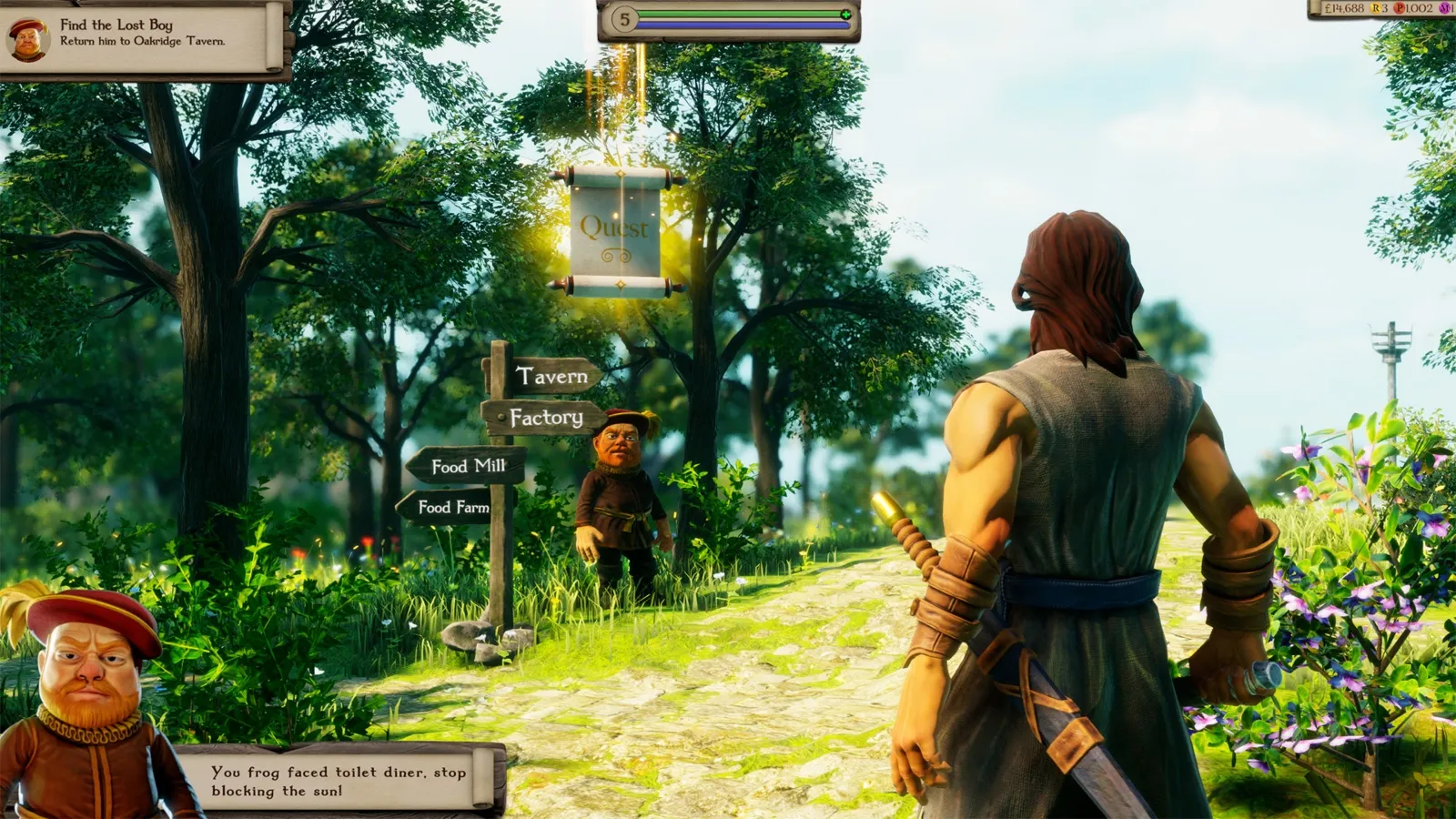
But Godus revealed a dangerous precedent: a celebrated figure using goodwill to fund projects that would have been rejected by publishers for being unfeasible.
The Ripple Effect on Indie Developers
When high-profile Kickstarters fail, they don’t just burn their own backers—they make it harder for honest developers to raise funds.
After Godus, skepticism toward crowdfunded games rose sharply. Platforms like Fig and Indiegogo saw declining conversion rates. Investors grew cautious.
One indie dev, who successfully funded a narrative RPG in 2015, said: “We had to answer, ‘Are you another Molyneux?’ in every pitch. That stigma hurt us for two years.”
The Legacy of Lost Trust: Beyond the Money
The financial losses are quantifiable. The emotional and professional toll? That runs deeper.
- Backers felt manipulated, not just deceived. They believed in a legend.
- Developers felt abandoned, having worked on projects led by a figure unwilling to admit overreach.
- Investors grew reluctant to back UK-based creative studios, fearing similar mismanagement.
Molyneux eventually admitted fault. In a 2015 DICE Summit speech, he said: “I have made a career out of lying to you.”
It was a rare moment of honesty—but too late for those already burned.
Lessons from the Molyneux Meltdown
The story of Peter Molyneux isn’t just about one man’s overreach. It’s a cautionary tale for anyone involved in creative funding, game development, or tech innovation.
1. Reputation Is Not a Blank Check Even icons can fail. Backers must evaluate promises critically, regardless of pedigree.
2. Scope Creep Kills Projects Godus and Fable Legends both suffered from ever-expanding visions. Define MVPs early—stick to them.
3. Crowdfunding Needs Accountability Platforms must implement stronger delivery tracking or post-campaign reporting.
4. Developers Deserve Stability Studio leaders must balance ambition with realistic planning. Burnout and layoffs are not acceptable trade-offs.
5. Hype Is a Liability Overpromising might drive short-term interest, but it destroys long-term credibility.
Where Are They Now?
- Peter Molyneux: Now leads 22cans, focusing on AI-driven games. Still courts controversy with ambitious claims.
- 22cans: Shifted to Legacy, an AI-powered life simulator. Quietly released in 2022 with minimal fanfare.
- Lionhead Studios: Permanently closed. Microsoft rebooted Fable with Playground Games in 2020.
- Godus Backers: No compensation. The game remains available on Steam with “Mixed” reviews.
- Curiosity Winner: Never received a tangible prize. The “secret” remains a punchline.
Final Word: Belief Shouldn’t Be a Currency
The players who lost money on Peter Molyneux’s failed legacy weren’t naive—they were hopeful. They believed in innovation, in vision, in the idea that gaming could evolve.
But belief isn’t a business model. Vision without execution is just vapor.
For future backers, developers, and investors: scrutinize the roadmap, not the résumé. Demand transparency. And remember—no legacy, no matter how storied, guarantees delivery.
If you’re funding a dream, make sure it’s built on code, not charisma.
Frequently Asked Questions
Who funded Godus? Godus was crowdfunded via Kickstarter, raising over £526,000 from more than 14,000 backers.
Did Peter Molyneux return money for Godus? No. Despite widespread criticism, Molyneux and 22cans did not issue refunds.
What happened to Lionhead Studios? Microsoft shut down Lionhead in 2016 after canceling Fable Legends, citing strategic shifts.
Was Curiosity – What’s Inside the Cube? a scam? While not illegal, it was widely criticized as deceptive—offering no real reward despite promises of a “life-changing secret.”
How much did Microsoft lose on Fable Legends? Estimates suggest Microsoft lost over $50 million in development and operational costs.
Is Peter Molyneux still making games? Yes. He leads 22cans and released “Legacy,” an AI-driven life simulator, in 2022.
Can you trust game developers with Kickstarter campaigns? Proceed with caution. Research the team, review prototypes, and assess communication transparency before pledging.
FAQ
What should you look for in The Players Burned by Peter Molyneux’s Broken Promises? Focus on relevance, practical value, and how well the solution matches real user intent.
Is The Players Burned by Peter Molyneux’s Broken Promises suitable for beginners? That depends on the workflow, but a clear step-by-step approach usually makes it easier to start.
How do you compare options around The Players Burned by Peter Molyneux’s Broken Promises? Compare features, trust signals, limitations, pricing, and ease of implementation.
What mistakes should you avoid? Avoid generic choices, weak validation, and decisions based only on marketing claims.
What is the next best step? Shortlist the most relevant options, validate them quickly, and refine from real-world results.