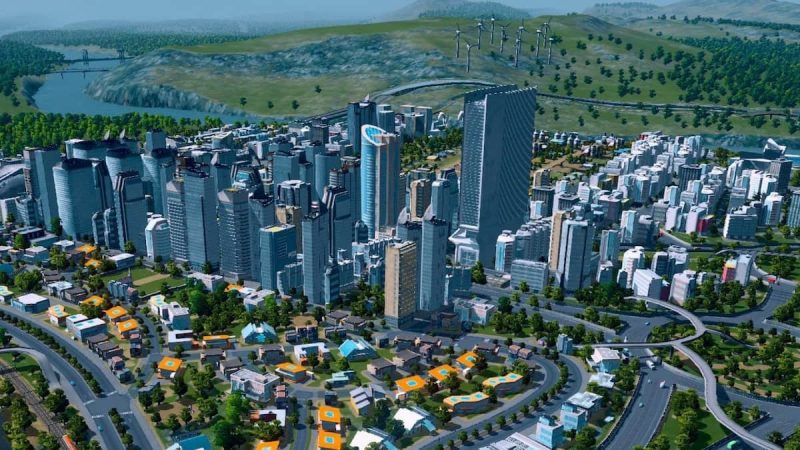
Cities don’t rise overnight. They grow from a single road, a lone power plant, or a modest residential zone. But what if you could skip the red tape, budget constraints, and city council meetings—and just build? That’s where free online city building games come in. They’re not just distractions. For some, they’re sandboxes for urban ideas. For others, they’re a gateway into strategy, logistics, and design thinking—without needing to install anything or spend a dime.
And yes, you can play them all directly in your browser.
No registration. No hidden paywalls. No forced ads every 30 seconds (well, most of the time). These games deliver real mechanics—zoning, budgeting, traffic flow, pollution control—scaled down just enough to run smoothly in a tab.
Here’s what actually works in 2024.
Why Free Online City Builders Still Matter
Mobile clones and paid indie titles dominate the genre now. But browser-based city building games hold a unique edge: accessibility. You can jump in during a coffee break, test a layout idea, and leave without losing progress. That frictionless access fuels experimentation.
Consider this: you’re curious about transit-oriented development. Instead of reading theory, you simulate it—building a dense downtown with bus lanes and bike paths. You see congestion collapse. You tweak and retry. That kind of iterative learning is rare in traditional media.
Free online city games aren’t just “lite” versions of bigger titles. Many follow core design principles from classics like SimCity or Cities: Skylines, but reengineered for instant play. The best ones balance depth with simplicity—no 40-tab menus, but still enough control to make meaningful choices.
They’re also surprisingly resilient. While Flash is dead, developers have migrated to HTML5, WebGL, and JavaScript. The games that survived did so because they offered real value—not just nostalgia.
Top 5 Free Online City Building Games You Can Play Now
These aren’t ranked by graphics or realism. Instead, they’re evaluated on gameplay depth, accessibility, and how well they simulate urban dynamics—even in simplified form.
1. Mini Metro (Web Version) A minimalist subway planner that’s deceptively deep. You draw rail lines, assign train types, and respond to passenger demand across growing cities. No buildings to zone, but the underlying challenge is pure urban logistics.
- Platform: Available via itch.io browser version
- Strengths: Clean interface, addictive pacing, subtle difficulty curve
- Limitation: Focuses only on transit, not full city management
- Best for: Players interested in public transit efficiency
It’s often mistaken as just a puzzle game. But watch how rush hour bottlenecks emerge, and you’ll start thinking like a transit engineer. Real lesson? Adding more trains doesn’t always solve overcrowding—routing does.

2. Build a Tower Think vertical city. This idle game blends tower defense with urban development. Each floor is a functional zone: residential, commercial, industrial. You manage rent, happiness, and power distribution as your skyscraper climbs.
- Platform: kongregate.com or itch.io
- Strengths: Idle mechanics meet meaningful upgrades, great for short sessions
- Limitation: Progress can feel grindy after level 50
- Best for: Fans of incremental games who still want visual feedback
Common mistake: upgrading tenants too fast without balancing utilities. New players often max out apartments but forget sewage, causing mass evacuations. Lesson: infrastructure scales with population, not ambition.
3. Bit City A retro-styled, tap-driven city builder. Start with a single block, tap to expand, zone areas, and unlock new districts. It’s simple but layered—each decision affects pollution, income, and land value.
- Platform: Browser via Poki or CrazyGames
- Strengths: Intuitive controls, pixel-art charm, fast progression
- Limitation: Mobile-first design means some features feel simplified
- Best for: Casual gamers who want visual satisfaction
Unlike many idle builders, Bit City rewards layout strategy. Placing parks between industrial and residential zones isn’t optional—it’s essential to prevent happiness collapse.
4. Urban Control A real-time strategy hybrid. You don’t just zone—you respond to events. Power outages, protests, tourism spikes. Budgets matter. So does public opinion.
- Platform: Flashpoint Archive (HTML5 ports emerging)
- Strengths: Dynamic events, budget sliders, crisis management
- Limitation: Harder to find stable versions post-Flash
- Best for: Players who want consequence-driven gameplay
This one teaches a core truth: cities aren’t static. One wildfire can bankrupt your emergency fund. You learn to allocate reserves, not just build monuments.
5. Survival Express Not a traditional city builder, but close enough in practice. You design a train network across a procedurally generated map, managing resources, stations, and upgrades. The city grows around your lines.
- Platform: Steam (free version), browser via BlueStacks emulator
- Strengths: Tactical rail planning, emergent urban patterns
- Limitation: Requires emulator for browser play
- Best for: Logistics-focused players
It’s a backdoor into city planning. Your rail efficiency determines where factories and housing emerge. Poor routing? Your city becomes a sprawl of underused land.
| Game | Depth | Accessibility | Event System | Best For |
|---|---|---|---|---|
| Mini Metro | Medium | High | No | Transit design |
| Build a Tower | Medium | High | Yes | Idle progression |
| Bit City | Light | Very High | No | Casual zoning |
| Urban Control | High | Medium | Yes | Crisis management |
| Survival Express | Medium | Medium | Yes | Network strategy |
Core Mechanics to Watch For Not all free city games are created equal. Here’s how to spot ones that offer real engagement:
Zoning and Land Use The best games let you designate areas—residential, commercial, industrial—and see how they interact. Watch for games where proximity affects efficiency. Example: placing a factory next to homes increases pollution, hurting health and tax revenue.
Budget and Tax Levers Real city control means trade-offs. Can you lower taxes to attract residents but risk underfunded services? The games worth your time offer these sliders and show direct consequences.
Infrastructure Layers Power, water, sewage, roads—these systems should interconnect. A game where electricity spreads magically across the map isn’t teaching urban dynamics. Look for games that make you build substations, pipes, and junctions.
Traffic and Flow Even simplified games should model movement. Cars, pedestrians, goods. Congestion should impact delivery times, pollution, and citizen satisfaction. That’s where Mini Metro and Survival Express shine.
Hidden Pitfalls in Free Online Builders
Free doesn’t always mean fair. Here are common traps:
- Intrusive Ads: Some games interrupt gameplay with fullscreen ads every few minutes. Stick to platforms like Poki or itch.io, which curate ad behavior.
- Pay-to-Skip Progress: A few games gate key features behind currency you can only earn slowly—or pay for. Always check community forums before investing hours.
- No Save System: Many browser games rely on local storage. Close the tab, and your city vanishes. Use games with cloud saves or at least exportable progress.
Tip: Open city builders in a pinned tab and avoid private browsing mode—your progress won’t persist.
How to Use These Games Beyond Entertainment
Serious players treat these games as labs.
- Urban Planning Students: Test zoning theories. Try a car-free city. What happens to congestion? To density?
- Teachers: Use Mini Metro to teach network design in high school geography classes.
- Game Designers: Study how simplified mechanics convey complex systems. Bit City does this well—no need for 3D models to teach land value.
Even professionals use them. An architect once told me they used Build a Tower to explain vertical density to clients—floors as data points, not just pixels.
Why These Games Won’t Replace Cities: Skylines—And That’s OK
Let’s be clear: no free browser game offers district policies, mod support, or 10,000-sim populations. The depth isn’t there. But that’s not the goal.
These games aren’t substitutes. They’re gateways. They lower the barrier to entry. You don’t need a gaming PC. You don’t need time to commit to a 20-hour campaign.
Instead, they offer micro-experiences: fix a traffic jam in 8 minutes, balance a budget in 12. That immediacy trains intuition.
And sometimes, intuition is enough to start a conversation about real urban issues—like why bus lanes matter, or how green space boosts mental health.
Play Smart, Build Smarter
The best free online city building games don’t pretend to be more than they are. They’re compact, focused, and often brilliant in their simplicity.
If you’re looking to pass time, try Bit City. If you want to think, try Mini Metro or Urban Control. If you like watching systems grow on their own, Build a Tower will satisfy.
No downloads. No credit cards. Just the quiet logic of urban growth—click by click, zone by zone.
Open a tab. Start small. Let the city rise.



/cdn.vox-cdn.com/uploads/chorus_image/image/70269281/112379621.0.jpg)