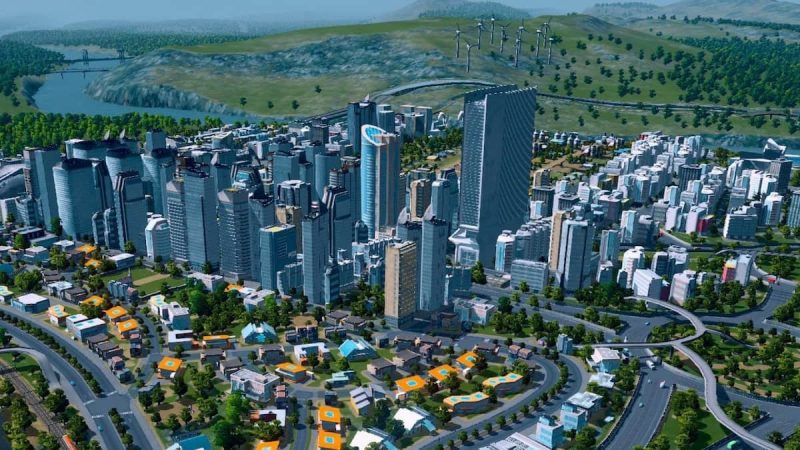
Building a city from scratch is more than just placing roads and zoning districts—it’s about vision, adaptability, and balancing competing demands. City building simulation games tap into the ambition of urban design, merging creativity with strategy in ways few other genres can. Whether you’re managing traffic flow in a metro sprawl or ensuring your citizens don’t riot over garbage collection, these games test both patience and problem-solving.
What separates a good city builder from a great one? Realism, depth, and the ability to make every decision feel consequential. The best titles in this genre don’t just simulate construction—they simulate consequences.
What Makes a Great City Building Simulation Game?
A compelling city builder doesn’t just let you zone areas and watch houses pop up. It forces you to think like a mayor, an urban planner, and sometimes, a crisis manager. The core pillars of strong city simulation games include:
- Progressive complexity: Systems unlock gradually, letting players adapt.
- Realistic feedback loops: Poor decisions in power, water, or transport have tangible outcomes.
- Emergent storytelling: Events like disasters, economic booms, or political shifts emerge naturally.
- Creative freedom: Balance between structure and sandbox freedom.
Take Cities: Skylines—a player might start by laying down a simple grid. But soon, they’re optimizing public transit routes, managing pollution, and even sculpting terrain to guide natural water flow. The game evolves as the city grows, not just in scale, but in systemic depth.
Common mistakes beginners make include over-zoning residential areas too early, ignoring transit until traffic jams become unmanageable, or chasing population milestones at the cost of quality of life. The most successful players learn to anticipate problems, not just react to them.
Top 5 City Building Simulation Games in 2024
These titles define the genre, each offering a unique take on urban development.
| Game | Developer | Key Strength | Best For |
|---|---|---|---|
| Cities: Skylines | Colossal Order | Deep simulation & mod support | Realistic city management |
| SimCity (2013) | Maxis | Strong visual style & arcology concepts | Design-focused players |
| Tropico 6 | Limbic Entertainment | Political satire & island management | Narrative-driven gameplay |
| Surviving the Aftermath | Iceflake Studios | Post-apocalyptic city survival | Crisis management fans |
| Frostpunk | 11 bit studios | Survival under extreme conditions | Ethical decision-making |
Cities: Skylines remains the gold standard. With deep traffic AI, robust modding (via Steam Workshop), and expansions that add campuses, industries, and even natural disasters, it offers near-limitless replayability. Its successor, Cities: Skylines II, pushes simulation fidelity further—dynamic economies, individual citizen behavior, and realistic service routing—but demands high-end hardware.
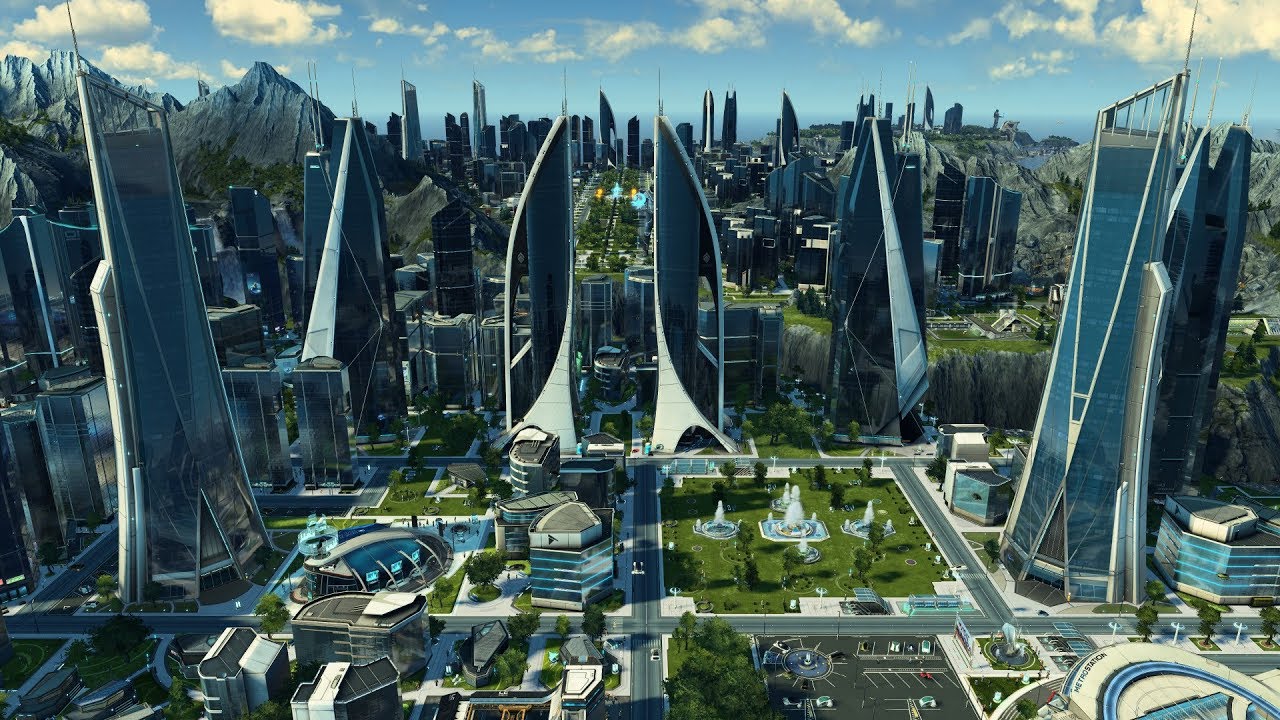
SimCity (2013), despite its rocky launch, introduced engaging ideas like “arcologies” and inter-city cooperation. While its small city sizes frustrated many, its art direction and pacing still appeal to players who prefer compact, visually polished cities.
Tropico 6 stands out by blending city building with political strategy. You’re not just building a city—you’re playing as “El Presidente,” juggling foreign relations, internal factions, and propaganda. Want to ban dissent? Build prisons. Need cash? Export cigars or accept foreign aid—with consequences. It’s city building with satire and consequences.
Surviving the Aftermath shifts focus to post-apocalyptic reconstruction. Resources are scarce, and threats come from raiders, weather, and disease. It’s less about aesthetics and more about survival—prioritizing shelter, medicine, and security in a broken world.
Frostpunk isn’t a traditional city builder, but it belongs here. Set in a frozen wasteland, you manage heat, morale, and laws that can range from child labor to public executions. The game forces brutal trade-offs: do you break your people’s spirit to save them from freezing? It’s a masterclass in emotional stakes within city management.
The Role of Mods and Community
No city builder thrives without its modding community—and Cities: Skylines proves it. The Steam Workshop hosts over 500,000 mods, ranging from visual enhancements to gameplay overhauls.
Popular mods include: - Traffic Manager: President Edition – Full control over lane usage and traffic lights. - Realistic Population – Adjusts building capacities to reflect real-world densities. - Network Multitool – Streamlines road construction and upgrades. - Daylight Classic – Restores the brighter lighting from earlier versions.
These tools don’t just improve aesthetics—they fix core gameplay limitations. Traffic congestion, a frequent complaint in simulation games, becomes manageable with advanced AI control.
Other titles like Frostpunk or Tropico 6 have limited mod support, which restricts long-term engagement for some players. A strong mod ecosystem extends a game’s lifespan by years, turning it into a platform rather than just a product.
Designing for Realism vs. Playability
The most engaging city builders strike a balance between realism and fun. Too much realism—like simulating every water pipe or electrical junction—can overwhelm. Too little, and the game feels shallow.
Cities: Skylines leans into realism with its traffic simulation. Citizens (called “cims”) have homes, jobs, and routines. They commute, shop, and react to noise and pollution. But the game abstracts utilities—water and power flow without needing to lay individual pipes or cables.
In contrast, Surviving the Aftermath simplifies logistics to keep pacing tight. You assign workers to gather resources, but you don’t micromanage each pickaxe swing. It’s a smart compromise for a survival-focused game.
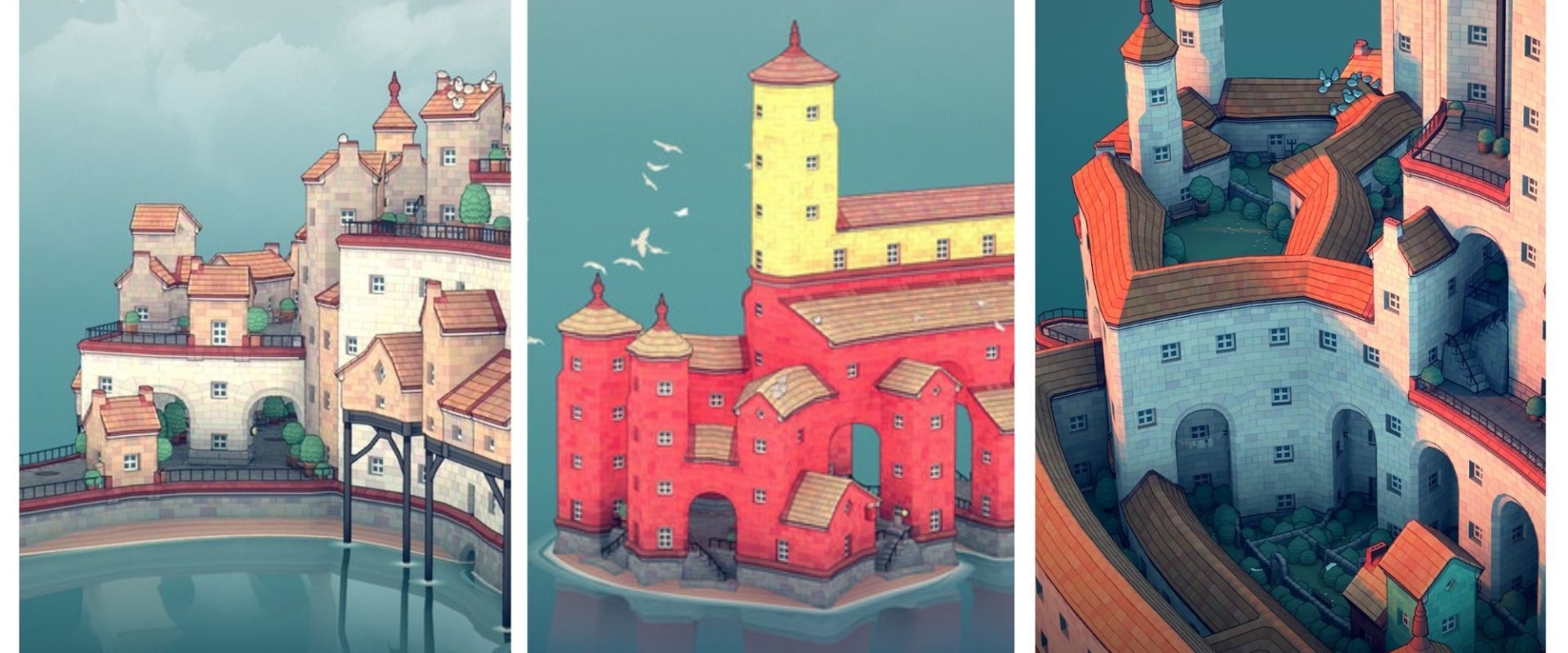
Meanwhile, Frostpunk uses realism as a narrative tool. The temperature system is unforgiving—each degree matters. When the thermometer drops below -60°C, you know your people are dying. This isn’t simulation for simulation’s sake; it’s simulation with emotional weight.
Learning Real-World Urban Planning
Surprisingly, many city builders teach practical urban design concepts. Players learn about: - Zoning separation and mixed-use development - Transit-oriented development (building housing near stations) - Pollution buffers (placing industry downwind) - Tax elasticity—raising taxes too high causes businesses to leave
Educators have used SimCity in classrooms to teach resource allocation and civic responsibility. In fact, urban planners have cited these games as early inspirations for their careers.
But games also simplify reality. In real cities, changing land use involves years of permitting, community input, and political negotiation—none of which translate well into gameplay. The best titles acknowledge these limits and focus on the essence of city planning, not every bureaucratic detail.
Mobile and Casual City Builders
Not everyone wants to spend hours managing sewage systems. For casual players, mobile city builders offer accessible, bite-sized development.
Top mobile options: - SimCity BuildIt – Streamlined SimCity experience with social features. - Pocket City 2 – Surprisingly deep for mobile, with day/night cycles and disasters. - City Island 5 – Mixes city building with role-playing elements.
These games favor speed and progression over realism. Mechanics like energy timers and in-app purchases keep players returning, but they lack the depth of PC counterparts. Still, for short sessions or learning basics, they’re excellent entry points.
Why City Builders Still Captivate
At their core, city building games fulfill a fundamental human desire: creation with purpose. You’re not just placing blocks—you’re shaping lives. A well-designed city hums with activity. Schools are full, hospitals are functional, and your cims are happy.
But the genre also thrives on challenge. Disasters strike. Budgets collapse. Citizens protest. The best moments often come after failure—rebuilding smarter, learning from mistakes, and finally unlocking that elusive “Great City” achievement.
These games reward patience and systems thinking. In a world of instant gratification, city builders offer something rare: slow, meaningful progress.
Final Tips for New City Builders
Start small. Focus on essentials: water, power, roads, and services. Don’t chase population milestones—build a city that functions first.
Use overlays early. Traffic, pollution, and land value maps reveal hidden problems before they explode.
Save often. And keep multiple save files—especially before major changes or disasters.
And above all—experiment. Try building a city powered entirely by wind. Or design a transit-only downtown. The best cities aren’t the biggest—they’re the most thoughtful.
FAQ
What is the most realistic city building game? Cities: Skylines is widely regarded as the most realistic due to its detailed traffic simulation, citizen behavior, and mod support.
Is Cities: Skylines better than SimCity? For most players, yes. Cities: Skylines offers larger maps, deeper simulation, and better mod support than SimCity (2013).
Can city building games teach urban planning? Yes—games like Cities: Skylines and SimCity introduce core concepts like zoning, transit planning, and infrastructure management.
Are there city builders with multiplayer? Most are single-player, but Cities: Skylines has limited multiplayer mods. True co-op city building is rare in the genre.
Why is traffic management so important in city builders? Poor traffic flow leads to delayed services, unhappy citizens, and economic decline. It’s often the first sign of deeper planning issues.
What should I do first in a city building game? Secure power and water, build a small residential zone, and connect it with a road. Add basic services like healthcare and fire protection early.
Are mods essential for city building games? Not essential, but highly recommended—especially in Cities: Skylines, where mods fix limitations and add depth.



/cdn.vox-cdn.com/uploads/chorus_image/image/70269281/112379621.0.jpg)